Cosmetic Dentistry · Washington DC
Understanding Bonding
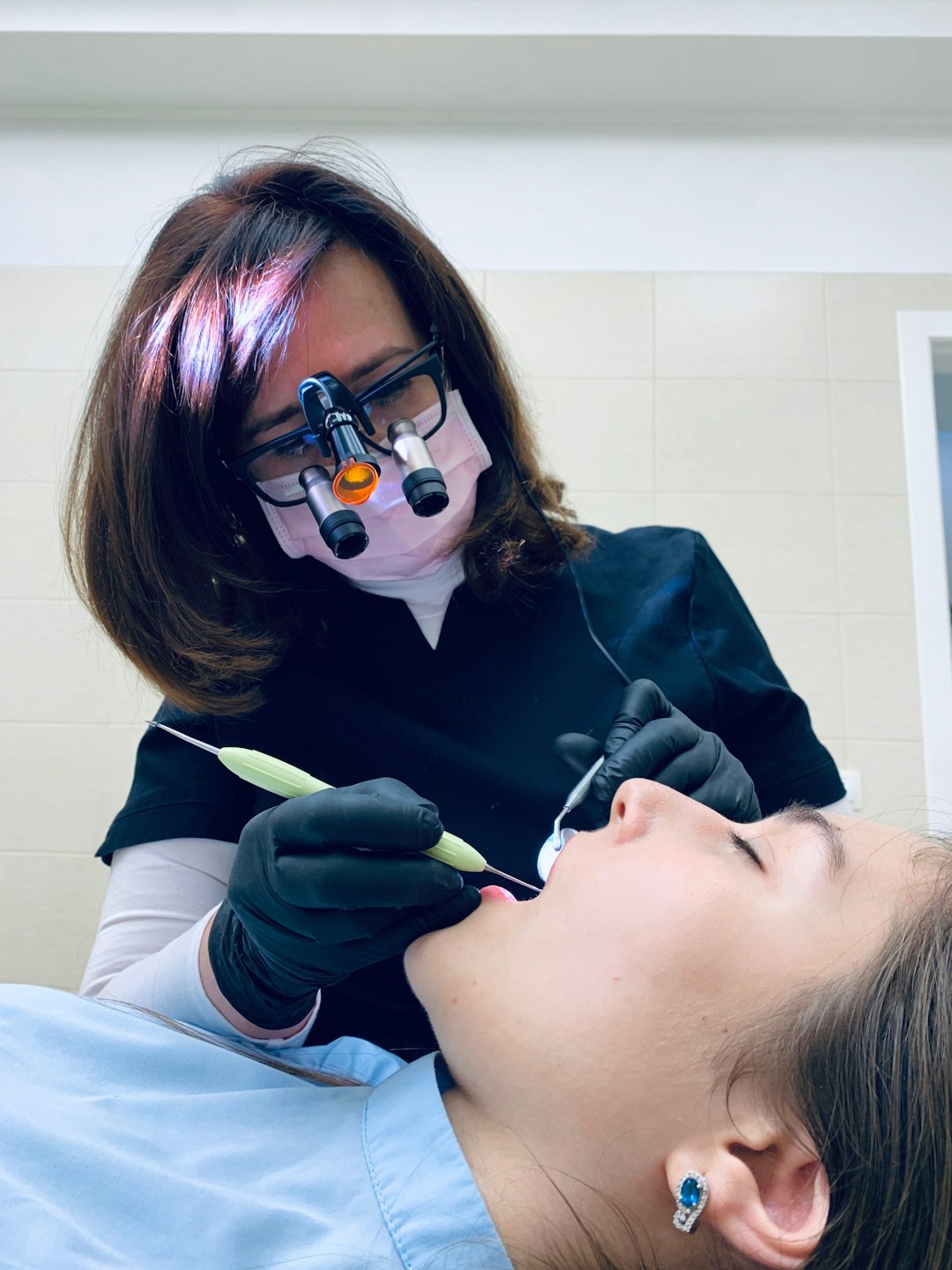
Dental bonding is a cosmetic procedure that uses tooth-colored composite resin to repair imperfections and restore your smile. The dentist applies the resin directly to the affected tooth, sculpts it to match the natural contours of your tooth, and hardens it with a specialized curing light. The final step is polishing to blend seamlessly with your surrounding teeth.
Because bonding requires minimal tooth preparation and can often be completed without anesthesia, it's one of the fastest and most conservative cosmetic solutions available. Unlike veneers or crowns, bonding doesn't require multiple visits or extensive removal of healthy tooth structure.
Common Applications
Common Applications
Chipped or Cracked Teeth Repair damage from accidents, sports, or wear. Bonding restores the tooth's shape and strength in a single visit.
Gaps Between Teeth Close small spaces between front teeth without braces or aligners. Bonding creates a wider, more uniform smile.
Discolored Teeth Cover internal or external staining that whitening can't reach. Bonding hides discoloration permanently with natural-looking color.
Uneven Tooth Shape Reshape teeth that are too short, too long, or irregular. Bonding creates harmony and proportion across your smile.
Exposed Tooth Roots Cover root surfaces exposed due to gum recession. Bonding protects the sensitive area and improves appearance.
Minor Cavities Repair small cavities with tooth-colored bonding instead of silver fillings for a more natural, aesthetically pleasing result.
How It Works
How It Works
Typically completed in one visit 30 to 60 minutes per tooth, depending on the extent of repair Usually no anesthesia needed unless the decay extends close to the nerve Minimal tooth preparation we preserve as much of your natural tooth as possible Color-matched composite we shade the resin to match your natural tooth perfectly Sculpted and cured the resin is carefully shaped and hardened with a curing light for strength and durability Comparing Options
Ready to explore your options? Our team can evaluate your specific needs and recommend whether bonding or veneers is the best choice for your smile goals. Many patients choose bonding as a first step. it's affordable, reversible, and delivers stunning results.
Aftercare Tips
Avoid Hard Foods Don't bite your nails, chew on hard candy, ice, or pencils. Avoid using your teeth to open packaging. Composite resin is strong but can fracture under sudden pressure.
First 48 Hours Limit staining foods like coffee, tea, red wine, and dark sauces for the first two days while the resin fully sets. After that, maintaining normal habits is fine with proper care.
Regular Cleaning Brush gently twice daily with a non-abrasive toothpaste and floss normally. Bonded teeth require the same oral hygiene as natural teeth. good habits extend the life of your bonding.
Regular Checkups Visit us every six months for cleaning and exams. We'll monitor the bonding and address any wear or damage early. Preventive visits help your bonding last longer.
Get Started Today
Get Started Today